
 Staff Writer
 February 10, 2026
When you move to Nairobi, food becomes one of the fastest ways to understand the culture. You’ll see it in roadside kiosks, small neighborhood eateries, and family gatherings.
Kenyan food is simple, filling, and built around fresh ingredients. It’s not complicated, but it’s satisfying.
If you’re staying in one of our furnished and serviced apartments in Nairobi, you’ll have the option to cook at home or explore local restaurants. Either way, here are the essential dishes every newcomer should try.
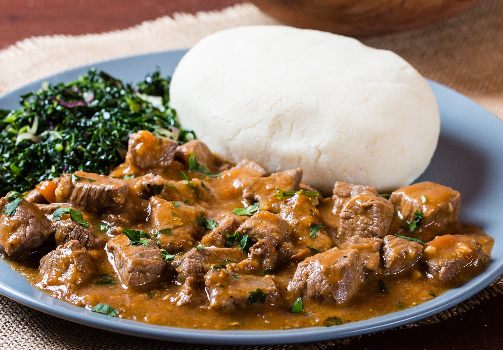
Ugali is the backbone of Kenyan cuisine. It’s a firm, dough-like staple made from maize flour and water. It doesn’t have a strong taste on its own. That’s the point. It’s meant to carry flavor from stews, vegetables, or grilled meat.
Most people eat ugali with their hands. You pinch off a small piece, roll it into a ball, press it into a spoon shape, and use it to scoop up food. It’s simple and surprisingly satisfying.
You’ll find ugali everywhere. From roadside joints to high-end restaurants, it’s a constant presence on Kenyan menus.
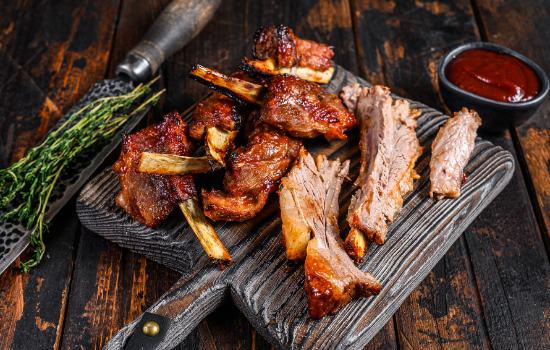
Nyama choma means “roasted meat,” and it’s one of the most popular foods in Kenya. Goat is the traditional choice, but you’ll also find beef and chicken.
The meat is usually grilled over charcoal with minimal seasoning. The focus is on the natural flavor. It’s served with kachumbari, a fresh mix of tomatoes, onions, and chili, plus ugali or fries on the side.
Nyama choma is more than food. It’s a social experience. People gather around, share plates, and talk for hours. If you want to understand Kenyan social culture, spend an afternoon at a nyama choma spot.
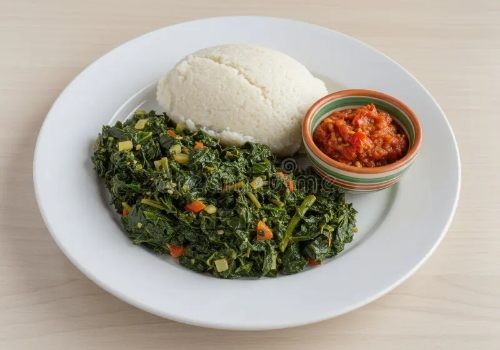
Sukuma wiki is a simple dish made from sautéed collard greens, onions, tomatoes, and spices. The name loosely translates to “push the week,” meaning it helps stretch meals when money is tight.
It’s cheap, healthy, and widely available. Most households cook it several times a week. You’ll often see it served with ugali or rice.
If you’re staying in one of our apartments in Kilimani or Kileleshwa, you can easily buy fresh sukuma from nearby markets and cook it at home in minutes.
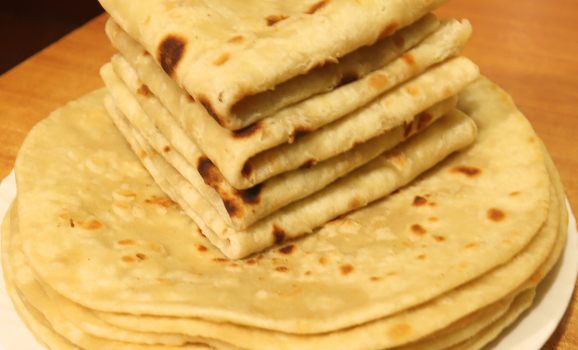
Chapati is a soft, layered flatbread that came to Kenya through Indian influence. Today, it’s a staple across the country.
It’s made from wheat flour, oil, water, and salt. Cooks roll and fold the dough to create layers, then fry it on a hot pan. The result is slightly crispy on the outside and soft inside.
People eat chapati with beans, beef stew, tea, or even eggs for breakfast. It’s filling, affordable, and easy to find.
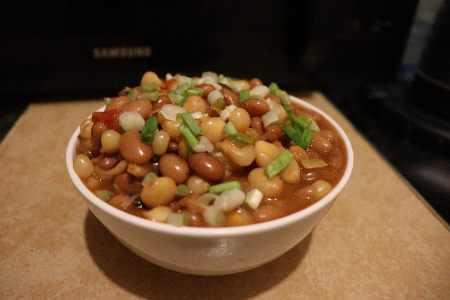
Githeri is a traditional dish made from boiled maize and beans. It’s especially common in central Kenya.
At its simplest, it’s just maize and beans cooked together. In Nairobi, many cooks add onions, tomatoes, spices, or even meat. It’s hearty, nutritious, and budget-friendly.
You’ll see githeri sold in small eateries, office canteens, and street food stalls. It’s a good everyday meal when you want something filling without spending much.
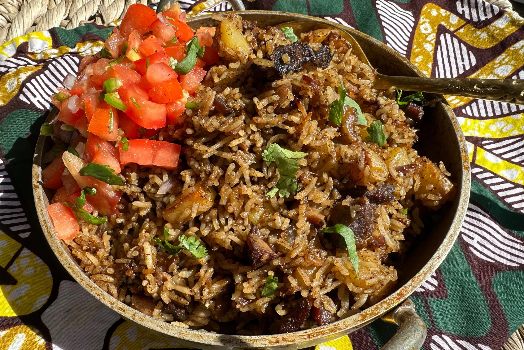
Pilau is a fragrant rice dish cooked with spices, meat, and sometimes potatoes. It has roots in coastal Swahili cuisine and is popular at celebrations, holidays, and family gatherings.
The flavor comes from spices like cumin, cardamom, cinnamon, and cloves. The rice absorbs all that aroma during cooking. Most versions use beef or chicken, though vegetarian options exist.
Pilau feels more festive than everyday dishes like ugali or githeri. If someone invites you to a Kenyan celebration, you’ll probably see it on the table.
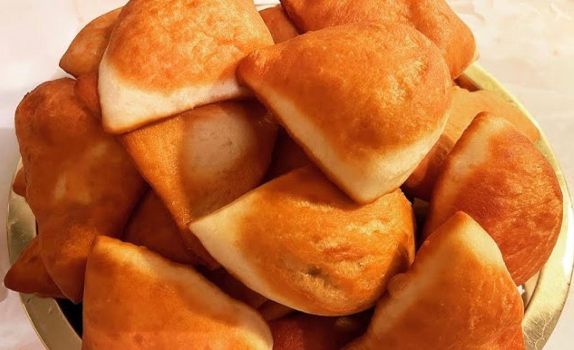
Mandazi is a slightly sweet, fried dough snack. Think of it as a cousin to the doughnut, but less sugary.
People usually eat mandazi with tea in the morning or as an afternoon snack. You’ll find them in bakeries, cafes, and roadside stalls across the city.
They’re cheap, filling, and perfect when you want something quick with your coffee.
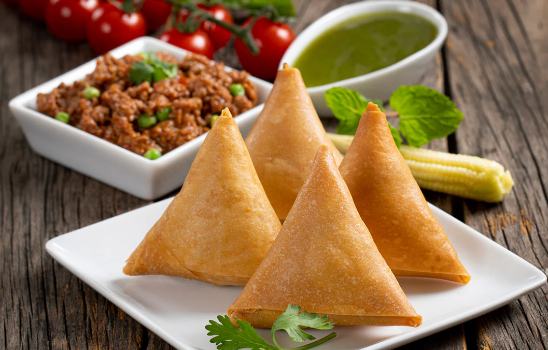
Samosas came to Kenya through Indian and coastal influences, but they’ve become a local favorite.
They’re triangular pastries filled with spiced meat, vegetables, or lentils, then deep-fried until crispy. You’ll see them at parties, in supermarkets, and at street food stands.
They’re small, flavorful, and easy to grab on the go.
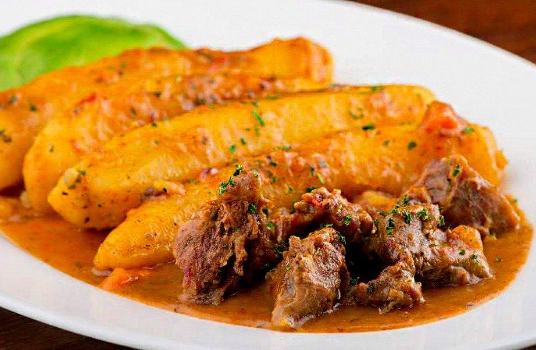
Matoke is a dish made from green bananas cooked in a savory stew. It’s popular in western Kenya and neighboring Uganda, but you’ll find it in Nairobi as well.
Cooks usually simmer the bananas with tomatoes, onions, garlic, and spices. Some versions include beef or chicken.
The result is soft, slightly sweet, and very filling. It’s a good alternative if you want something different from rice or ugali.
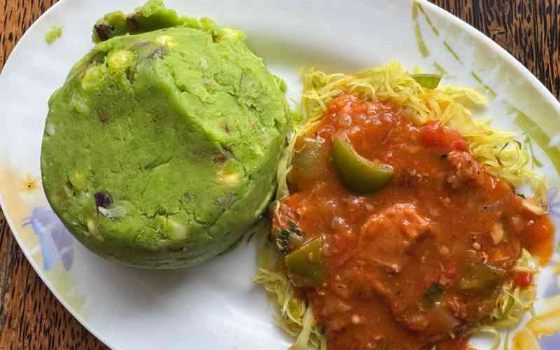
Mukimo is a mashed dish made from potatoes, peas, corn, and greens. Everything cooks together, then gets mashed into a thick, hearty mixture.
It’s often served with beef stew or grilled meat. The texture is smooth, and the flavor is mild but comforting.
Mukimo is common in central Kenya, but many Nairobi restaurants serve it as part of their local menus.
You don’t need to travel far to find these dishes. Nairobi offers options for every budget and comfort level.
You can try:
Local eateries known as “kibandas” for authentic, affordable meals
Mid-range restaurants serving modern Kenyan cuisine
Food courts in malls across the city
Delivery apps if you prefer to eat at home
If you stay in apartments in Westlands or Lavington, you’ll find plenty of restaurants within a short drive. You can also use our car hire in Nairobi service to explore different neighborhoods and food spots at your own pace.
One advantage of staying in a furnished apartment in Nairobi is the kitchen. You don’t have to eat out every day. You can shop at nearby supermarkets or local markets and cook your own meals.
Most Kenyan dishes use simple ingredients:
Maize flour
Rice
Beans
Greens
Tomatoes
Onions
Basic spices
You can prepare many of these meals in under 30 minutes. Sukuma wiki, githeri, and chapati are especially beginner-friendly.
If you’re staying in one of our serviced apartments in Nairobi, you’ll have the space and equipment you need to cook comfortably.
Start simple. Try ugali with sukuma wiki or beef stew first. It’s the most common combination.
Eat where locals eat. Busy spots usually mean fresh food and better flavor.
Ask for mild spice if you’re sensitive to heat. Some dishes, especially kachumbari, can be quite spicy.
Stay hydrated. Nairobi’s altitude can affect your appetite and thirst levels when you first arrive.
Mix local and international meals. You don’t have to switch your diet overnight. Ease into it.
Kenyan food is honest, filling, and built around everyday ingredients. It doesn’t rely on heavy sauces or complicated techniques. It focuses on freshness, texture, and shared meals.
As a newcomer, trying these dishes will help you feel more connected to the city. Food opens doors. It starts conversations. It helps you settle in faster.
If you’re planning your move, take a look at our furnished and serviced apartments in Nairobi. You’ll have a comfortable base while you explore the local food scene, cook your own meals, and get used to life in the city.