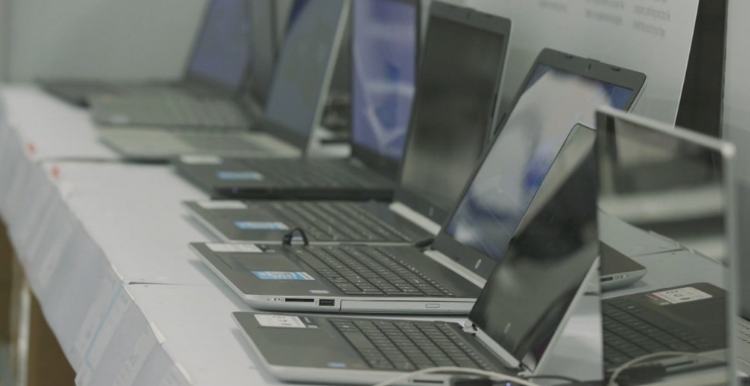
You just moved to Nairobi. Or maybe you’ve been here a few weeks and your laptop just gave up. Now you’re asking: Where can I buy a reliable laptop in Nairobi? You want a genuine device. Fair pricing. Warranty. Good after-sales support. Not guesswork. Here’s a clear list of highly rated, well-known places in Nairobi where you can buy a
If you’re planning to move to Nairobi, this is probably your main question: how much money do I actually need? The answer depends on your lifestyle. Nairobi can be affordable. It can also get expensive fast if you choose premium neighborhoods, private transport, and frequent dining out. Here’s a clear breakdown of what you should budget for your first month
If you’ve just moved to Nairobi, you’ve probably asked this already: How long will it take me to learn Swahili? Short answer? It depends on you. Longer answer? You can hold basic conversations in a few months. You can feel confident in daily life within six months. Fluency takes longer, but it’s achievable if you stay consistent. The good news:
You can live in Nairobi without speaking Swahili. English works in offices, malls, and most formal spaces. But if you want to connect with people, understand daily conversations, and move around with confidence, you should learn at least basic Swahili. It changes everything. You bargain better. You joke with your Uber driver. You greet your neighbors properly. You stop feeling
If you’ve just moved to Nairobi, one of the first things you’ll probably Google is: How much do coworking spaces cost? You need fast internet. A quiet place to work. Maybe meeting rooms. Maybe coffee that doesn’t taste like regret. Here’s what coworking actually costs in Nairobi right now, what you get for your money, and how to decide if
If you work remotely, stream often, or rely on video calls, reliable internet isn’t optional. It’s essential. The good news? Nairobi has solid internet options. The bad news? Not every building has the same coverage. Here’s how to get stable, fast internet at home — without frustration. First: check what your building already offers Before signing any internet contract, ask
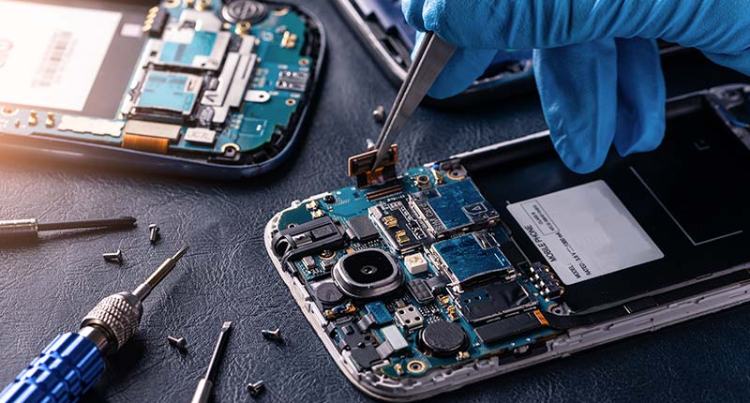
Your phone falls. The screen cracks. Your laptop stops charging. Your TV won’t turn on. It happens. And when it does, you need a reliable repair shop — fast. Nairobi has plenty of options, but quality varies. Some shops fix your device in an hour. Others create bigger problems. If you’re new to the city, knowing where to go saves
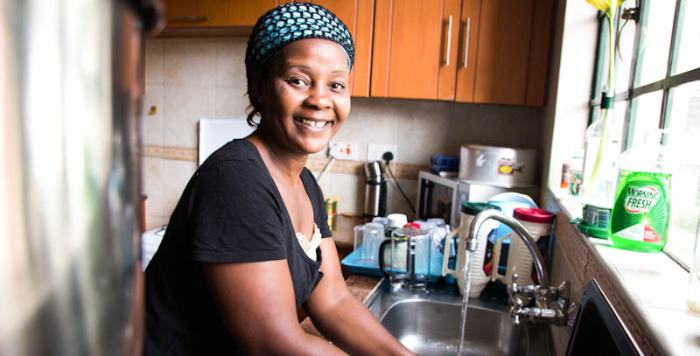
When you move to Nairobi, one thing quickly becomes clear: many households use domestic help. It’s normal here. Professionals, families, diplomats, and even young couples often hire part-time cleaners or full-time housekeepers. If you’re new to the city, you probably want straight numbers. How much does domestic help actually cost? Here’s what you should budget in Nairobi. Part-time cleaner (most
In Nairobi, hiring domestic help is common. Expats, families, and even young professionals use part-time or full-time help. The key is knowing where to look and how to hire responsibly. Here’s what you need to know. First: decide what kind of help you need Be clear before you start searching. Do you need: A part-time cleaner (1–3 days per week)?
Ride-hailing apps make life in Nairobi so much easier. You don’t need to negotiate with taxis. You don’t need to understand matatu routes on day one. You open an app, request a ride, and go. Here’s exactly how to use ride-hailing apps in Nairobi — and what you should know before you book your first trip. Step 1: Download the









Leave a Reply